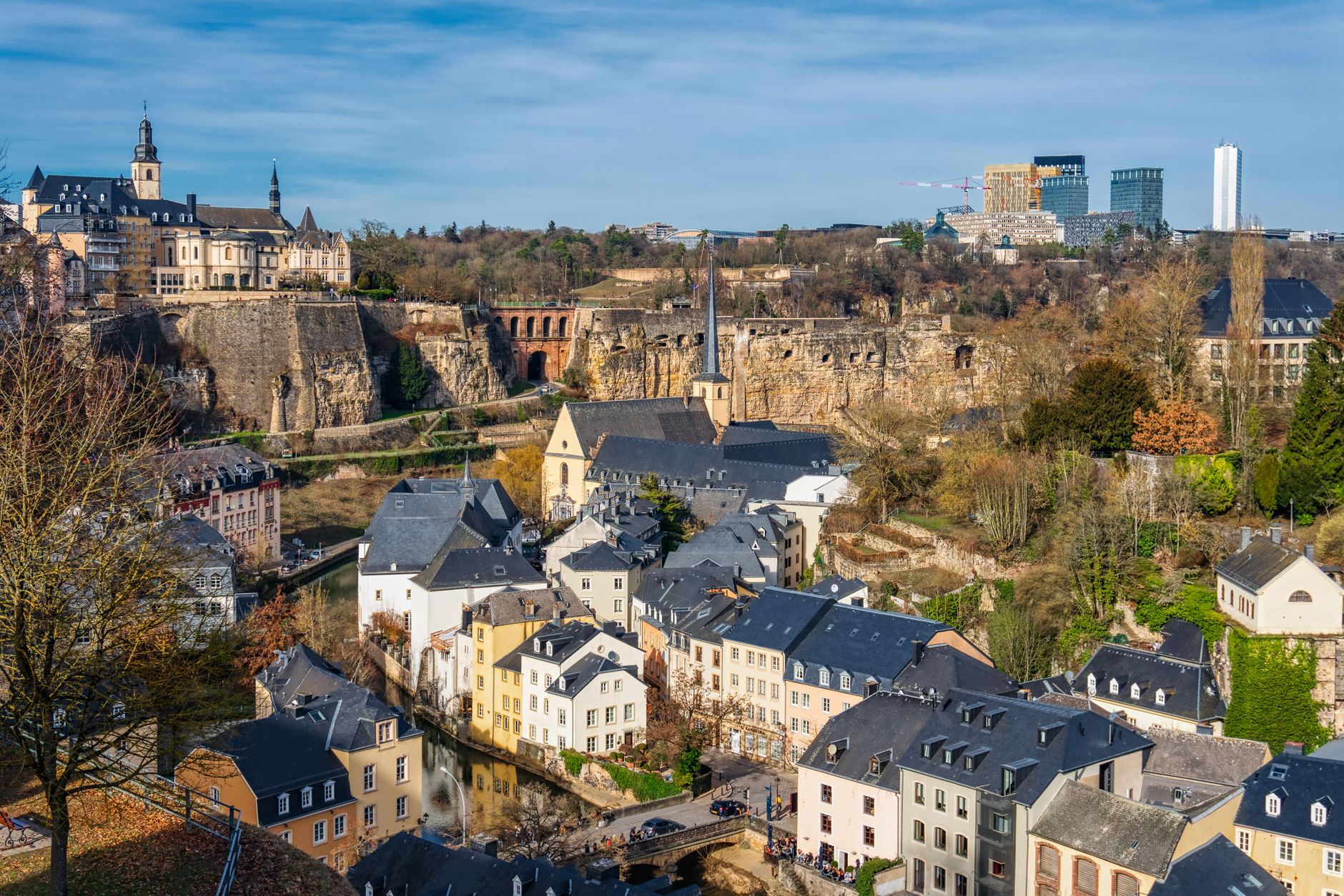
SECOND CITY
Esch-sur-Alzette

Central pedestrian street in Esch-sur-Alzette
Esch-sur-Alzette is the anti-capital. Population around 36,000, French border 10 minutes south, an old steel-industry backbone visible in the red-brick facades and the Belval site to the west where blast furnaces now anchor a university campus. Rue de l’Alzette is the pedestrianized main street — cafés, chain shops, a mix of Portuguese, Italian, and Cape Verdean businesses. The city was European Capital of Culture in 2022 and the cultural infrastructure from that push is still active.
Stay here if you want a genuine urban alternative to Luxembourg City at 30-40% lower prices, or if you’re doing France and Belgium day trips and want a better logistical base. Skip if you’re specifically visiting the Grand Duchy for its capital's old-town charm — Esch is a modern working city, not a postcard. The train to Luxembourg City takes 20 minutes and runs frequently.
Where to stay
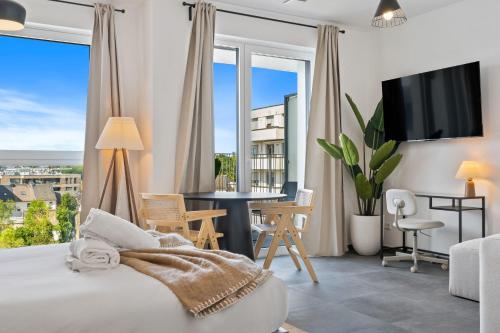
Around 15 hotels including chain options (Ibis, Best Western) near the station and mid-range independents along Rue de l’Alzette. Expect $85-140. The Belval area at the western edge offers modern hotels near the university — good for design-forward stays. Avoid rooms directly on Rue de l’Alzette above bars if weekend nights bother you. Streets like Rue de la Libération and Rue du Brill are central and quieter.
Getting there
Trains from Luxembourg City to Esch run every 15-20 minutes, journey time 20-25 minutes, free. Belval-Université station serves the western side. Inside Esch buses cover the whole city and are free. From Findel airport, no direct link — train to Luxembourg City first, then transfer. Cars have easy motorway access via the A4. Parking around the station is metered but affordable.
Frequently asked questions
Can Esch work as a base for visiting Luxembourg City?
Yes, easily. 20-minute train, free, every 15 minutes. Total commute door-to-door is around 35-40 minutes. Hotel savings often make up for the time cost, especially for stays over three nights.
Is Belval worth seeing?
Yes, particularly at dusk when the preserved blast furnaces are lit. The mix of heavy industrial ruins and new-build university architecture is genuinely striking and unlike anything in the capital.
Where to stay
Rooms worth pairing with this guide.
Ready to plan this trip?
Real prices for the places this piece names.